

Understanding the psychological effects of gambling in casino environments
The Allure of Casino Environments
The vibrant atmosphere of casinos is meticulously crafted to engage the senses and stimulate emotions. From the sounds of clinking coins and spinning slots to the flashing lights, every element is designed to create an exhilarating experience. This sensory overload can lead to a state of heightened excitement, where players become increasingly immersed in their surroundings, often leading to impulsive decisions. The combination of visual and auditory stimuli can make it difficult for individuals to recognize the passage of time, encouraging longer stays and deeper financial commitments. You can explore more about this fascinating world at https://slotomen.net.
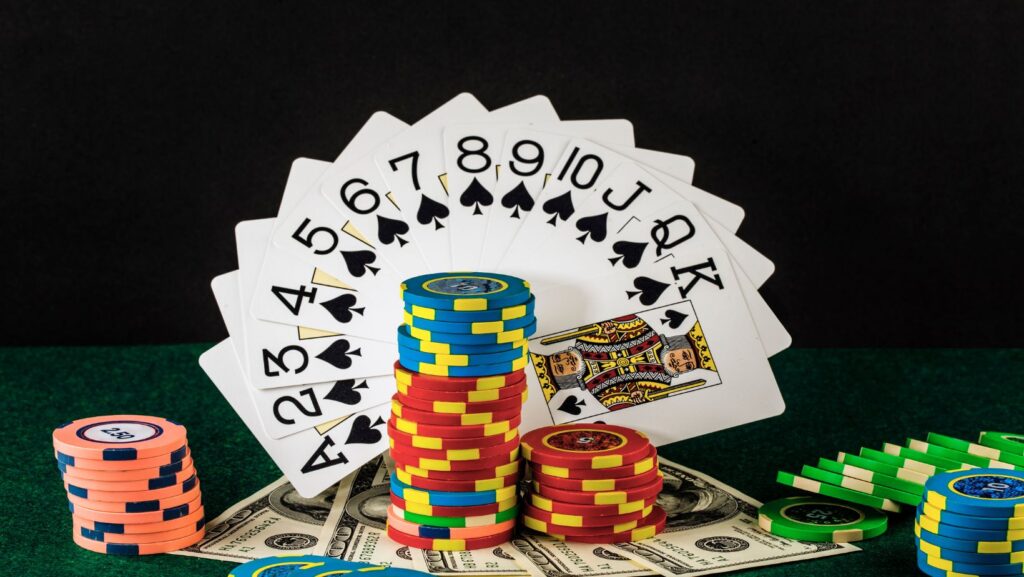
Moreover, the social dynamics within a casino can amplify the gambling experience. Players often find themselves surrounded by others who share the same thrill, leading to a sense of camaraderie. This social aspect can enhance feelings of belonging and excitement, which can be particularly enticing for those feeling isolated in their everyday lives. The communal cheering for wins or shared frustrations over losses can create an emotional rollercoaster that deepens the psychological investment in gambling.
In essence, the allure of casino environments goes beyond mere entertainment. The carefully orchestrated sensory experiences are designed to trigger psychological responses, making it challenging for gamblers to maintain control. Understanding these factors is vital for both players and those involved in responsible gaming advocacy, as it highlights the importance of setting boundaries to mitigate potential risks.
The Impact of Risk and Reward on Behavior
The psychology of risk and reward plays a central role in gambling behavior. Casinos exploit this by presenting games that offer the thrill of potential winnings, which can create a powerful lure. The idea of winning big taps into our innate desire for reward and achievement, leading individuals to chase after that elusive jackpot. This pursuit can trigger a release of dopamine in the brain, reinforcing the gambling behavior and making it more appealing each time.
This cycle of anticipation and reward can lead to a phenomenon known as “near-misses,” where players almost win but fall just short. Near-misses can be incredibly deceptive; they create an illusion of skill or control, prompting players to continue gambling in hopes of achieving that satisfying victory. This psychological manipulation can lead to increased spending, as individuals become convinced that their next attempt will result in success.
However, the impact of these risk-reward dynamics can also lead to negative consequences. The thrill associated with winning can quickly turn into addiction when losses occur. Gamblers may feel compelled to chase their losses, leading to a cycle of financial hardship and emotional distress. Understanding these psychological mechanisms is crucial for recognizing the fine line between responsible gambling and addiction.
The Role of Cognitive Dissonance in Gambling
Cognitive dissonance occurs when an individual experiences a conflict between their beliefs and behaviors. In the context of gambling, this can manifest when players rationalize their losses by convincing themselves that their next bet will be a winning one. This mental gymnastics can be particularly dangerous as it allows individuals to continue investing time and money into gambling, despite clear evidence that they are on a losing streak. The ability to justify their actions can lead to a false sense of confidence, making it harder for them to quit.
This phenomenon is often exacerbated by the environment of the casino itself. The loud celebrations of winners and the hype around games can amplify feelings of optimism, encouraging players to ignore the reality of their situation. Cognitive biases, such as the illusion of control, can further entrench gamblers in their behavior, as they believe they have the ability to influence outcomes through skill or strategy, despite the inherent randomness of casino games.
Ultimately, understanding cognitive dissonance in gambling reveals the complex interplay between emotion and decision-making. Recognizing the signs of rationalization can be a vital step towards responsible gaming, allowing individuals to take a step back and reassess their relationship with gambling before it escalates into addiction.
The Emotional Toll of Gambling
The emotional landscape of gambling can be incredibly tumultuous. Winning can bring about feelings of euphoria and excitement, while losing often leads to despair and frustration. This emotional rollercoaster can affect a gambler’s mental health, leading to anxiety, depression, and in severe cases, suicidal thoughts. The constant highs and lows can create a sense of instability, making it difficult for individuals to maintain healthy relationships and manage day-to-day responsibilities.
Additionally, the stigma surrounding gambling addiction can exacerbate feelings of isolation. Many gamblers suffer in silence, afraid to reach out for help due to societal judgment. This isolation can lead to further emotional distress, as individuals grapple with their addiction without support. Family and friends may notice the changes in behavior, leading to strained relationships and further complicating the gambler’s emotional state.
Awareness of the emotional toll of gambling is crucial for both gamblers and their support networks. Recognizing the psychological effects can lead to a more compassionate understanding of the struggles faced by those affected by gambling addiction. Encouraging open conversations about mental health can foster an environment where individuals feel safe seeking help, ultimately paving the way for recovery and healthier coping mechanisms.
Exploring Responsible Gambling Practices
Understanding the psychological effects of gambling is essential for promoting responsible gaming practices. Effective financial management and self-regulation can help mitigate the risks associated with gambling. Players should be encouraged to set limits on their time and money spent in casinos, creating a structured approach to their gaming experiences. This can involve setting a budget before playing and sticking to it, as well as designating specific times for gaming, which can help maintain a balanced lifestyle.
Moreover, casinos themselves can play a pivotal role in fostering responsible gambling. By implementing features such as self-exclusion programs and providing resources for addiction support, they can create a safer environment for players. Education campaigns that inform players about the risks of gambling can also be beneficial, empowering them to make informed decisions while engaging in their favorite games.
Ultimately, a holistic approach that combines self-awareness, financial management, and supportive environments can significantly reduce the risks associated with gambling. By understanding the psychological impacts and recognizing the importance of responsible gaming, both players and casinos can contribute to a healthier gambling culture.

Why Choose Slotomen Casino for Responsible Gaming
At Slotomen Casino, we prioritize responsible gaming while offering a thrilling online gaming experience. Our platform is designed to engage players with a wide variety of games, while ensuring that they have access to resources that promote healthy gaming habits. We provide tools for setting limits on deposits and playtime, ensuring that players maintain control over their gaming activities.
Furthermore, Slotomen Casino is committed to raising awareness about the psychological effects of gambling. Through our dedicated support pages, we offer valuable information on responsible gambling, including tips and resources for those who may be struggling with their gaming habits. By creating a user-friendly interface that emphasizes responsible practices, we aim to foster a safe and enjoyable environment for all players.